


DATE : 06/10/2025
AUTHOR : AIMS Hospital
Get Instant Call Back
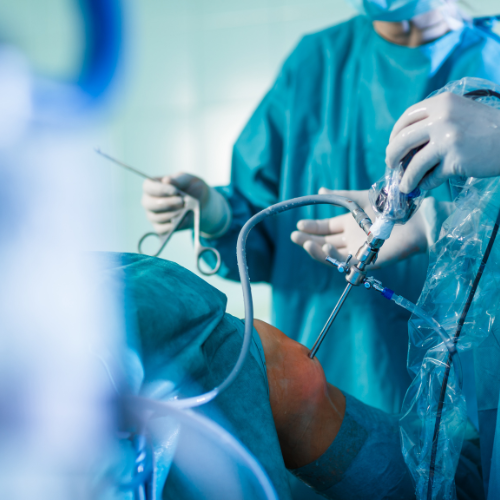
One of the most important joints in the body is the knee joint. Walking, bending, sitting, climbing stairs, and leading an active life are all made possible by it. The knee joint can be harmed by ailments, including arthritis, trauma, or aging, which can result in excruciating pain, stiffness, and decreased mobility. Knee replacement surgery is a dependable and efficient way to regain mobility and enhance quality of life when medical therapy or lifestyle modifications are insufficient to provide relief.
Table of Contents
- When is Knee Replacement Needed?
- Types of Knee Replacement
- Benefits of Knee Replacement
- Risks & Considerations
- Recovery and Care Following Surgery
- FAQs
- Conclusion
When is Knee Replacement Needed?
Knee replacement surgery is recommended when severe knee pain, stiffness, and limited mobility interfere with daily life. Conditions such as advanced arthritis, serious injury, or age-related joint degeneration may damage the knee joint. When medications, injections, physiotherapy, and lifestyle changes fail to provide relief, knee replacement becomes an effective treatment option.
Types of Knee Replacement
Total Knee Replacement (TKR): The entire surface of the knee joint is replaced with an artificial implant to restore smooth movement.
Partial Knee Replacement (PKR): Only the damaged portion of the knee is replaced, while healthy parts of the joint are preserved.
Benefits of Knee Replacement
- Long-term pain reduction
- Increased mobility and flexibility
- Better stability and balance
- Improved quality of life and independence in daily activities
Risks & Considerations
Although highly effective, knee replacement surgery carries some risks, including:
- Infection
- Blood clots
- Implant wear or loosening over time
- Temporary pain, swelling, or stiffness during recovery
- Costs depending on surgical technique and implant type
Recovery and Care Following Surgery
Physiotherapy begins soon after surgery to help restore strength and flexibility. Gentle exercises such as walking and knee bending help speed up recovery.
- A balanced diet rich in protein, calcium, and vitamins supports healing
- Maintaining a healthy weight reduces stress on the new joint
Most patients notice significant pain relief and improved movement within a few weeks to months after surgery.
FAQs
1. When is knee replacement surgery needed?
It is advised when arthritis, trauma, or aging leads to severe pain and mobility issues, and non-surgical treatments fail.
2. What are the types of knee replacement?
Total Knee Replacement (TKR) and Partial Knee Replacement (PKR).
3. What are the benefits of knee replacement?
Pain relief, improved mobility, better balance, and enhanced quality of life.
4. What risks are involved in knee replacement surgery?
Infection, blood clots, implant wear, temporary stiffness, and other surgical complications.
5. How long does recovery take after knee replacement?
Most patients improve within a few weeks to months with proper physiotherapy and care.
6. How can recovery be improved after surgery?
Regular physiotherapy, gentle exercise, a nutritious diet, and weight control help speed up healing.
Conclusion
Knee replacement surgery is an effective solution for relieving chronic knee pain and restoring mobility. It can be life-changing for patients with advanced arthritis or severe knee injuries. Dr. Vishal Lapshia, an orthopedic joint replacement and arthroplasty surgeon at AIMS Hospital, Dombivli, specializes in advanced knee and joint replacement procedures. With extensive experience, he provides personalized treatment plans and modern surgical techniques to ensure safer procedures and faster recovery for patients.
ABOUT US
About AIMSDirector's Message
Vision & Mission
Accreditations
Awards & Accolades
Our Network
Phone Directory
Scan/Click For Location



Designed by Web Creations 2022. All rights reserved.
Leave a Comment