



DATE : 03/06/2026
AUTHOR :
Get Instant Call Back
Table of Contents
- 1. Introduction
- 2. Understanding the Thyroid Gland
- 3. How Thyroid Problems Cause Weight Gain
- 4. Symptoms You Should Never Ignore
- 5. Common Causes of Thyroid Disorders
- 6. Thyroid Disorders and Women’s Health
- 7. Diagnosis and Medical Evaluation
- 8. Treatment for Thyroid-Related Weight Gain
- 9. Lifestyle Tips for Better Thyroid Health
- 10. Expert Thyroid & Hormonal Care at AIMS Hospital, Dombivli
- 11. Conclusion
- 12. FAQs
Introduction
Many people experience weight gain even after following a proper diet and exercise routine. Sometimes, the reason behind this unexplained increase in body weight is not overeating or lack of physical activity but a hidden hormonal condition known as a thyroid disorder. The thyroid gland plays a very important role in regulating metabolism, energy production, and overall hormonal balance. When thyroid hormones become imbalanced, the body starts showing several symptoms, including sudden weight gain, fatigue, hair fall, and weakness.
Today, thyroid disorders are becoming increasingly common among both men and women, especially due to stress, unhealthy lifestyle habits, poor sleep, and hormonal imbalance. Unfortunately, many people ignore the early symptoms and continue struggling with health problems without understanding the actual cause. Early diagnosis and proper treatment can help control thyroid-related weight gain and improve overall quality of life.
Understanding the Thyroid Gland
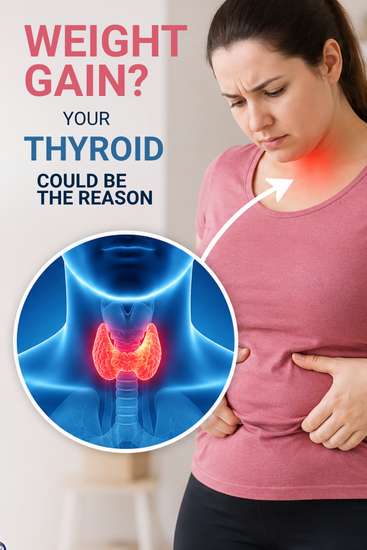
The thyroid is a small butterfly-shaped gland located in the front part of the neck. Although it is small in size, it performs many essential functions in the body. The thyroid gland produces hormones that regulate metabolism, body temperature, heart rate, digestion, energy levels, and mood.
When the thyroid gland produces insufficient hormones, the condition is called Hypothyroidism. This condition slows down the body’s metabolism and is one of the leading causes of unexplained weight gain. On the other hand, excessive production of thyroid hormones leads to Hyperthyroidism, which may result in sudden weight loss, anxiety, and rapid heartbeat.
Thyroid disorders can affect people of all ages, but women are generally more prone to thyroid imbalance due to hormonal fluctuations during pregnancy, menstruation, and menopause.
How Thyroid Problems Cause Weight Gain
One of the primary functions of thyroid hormones is controlling how the body uses energy. When thyroid hormone levels decrease, the body’s metabolism slows down significantly. As a result, the body burns fewer calories, leading to gradual weight gain.
People with hypothyroidism often feel tired throughout the day, making them less physically active. This reduction in activity further contributes to weight gain. In some cases, thyroid disorders also cause water retention and bloating, which may increase body weight even more.
Unlike sudden obesity caused by unhealthy eating habits, thyroid-related weight gain usually develops slowly over time. Many individuals notice that despite eating normally and exercising regularly, they continue gaining weight without any clear reason.
Symptoms You Should Never Ignore
Thyroid disorders can affect almost every system in the body. The symptoms may appear gradually, which is why many people fail to recognize the condition early.
Some common symptoms of hypothyroidism include persistent fatigue, unexplained weight gain, hair fall, dry skin, constipation, muscle weakness, depression, mood swings, slow heart rate, and increased sensitivity to cold temperatures. Many women also experience irregular menstrual cycles and fertility-related problems due to thyroid imbalance.
In some cases, patients may develop swelling in the neck region due to enlargement of the thyroid gland, commonly known as a thyroid nodule or goiter. Ignoring these symptoms for a long period may lead to serious health complications.
Common Causes of Thyroid Disorders
Several factors can contribute to thyroid disorders. One of the most common causes is an autoimmune condition called Hashimoto’s thyroiditis, in which the immune system attacks the thyroid gland.
Other possible causes include iodine deficiency, family history of thyroid disease, obesity, stress, hormonal imbalance, certain medications, pregnancy-related hormonal changes, and previous thyroid surgery.
Lifestyle factors such as unhealthy eating habits, lack of sleep, chronic stress, and physical inactivity may also negatively affect thyroid health and metabolism.
Thyroid Disorders and Women’s Health
Hormonal imbalance in women is often closely connected to thyroid health. Conditions such as PCOS (Polycystic Ovary Syndrome), obesity, insulin resistance, and irregular periods may coexist with thyroid disorders.
Women suffering from PCOS frequently experience unexplained weight gain, difficulty losing weight, acne, irregular menstrual cycles, and fertility issues. Thyroid imbalance can worsen these symptoms and affect overall reproductive health.
Proper hormonal evaluation is therefore extremely important for women experiencing both weight gain and menstrual irregularities.
Diagnosis and Medical Evaluation
Diagnosing thyroid disorders usually involves a detailed medical history, physical examination, and blood tests. Doctors commonly recommend tests such as TSH (Thyroid Stimulating Hormone), T3, and T4 to assess thyroid function.
In some cases, ultrasound scans may be advised to evaluate thyroid nodules or swelling in the neck area. Early diagnosis helps prevent complications such as high cholesterol, heart disease, infertility, severe fatigue, and depression.
People experiencing unexplained weight gain, fatigue, hair fall, or hormonal symptoms should consult a qualified endocrinologist or specialist doctor for proper evaluation.
Treatment for Thyroid-Related Weight Gain
Treatment depends on the type and severity of the thyroid disorder. Hypothyroidism is generally treated with thyroid hormone replacement medication, which helps restore normal hormone levels and improve metabolism.
Along with medication, maintaining a healthy lifestyle is equally important. Doctors usually recommend a balanced diet, regular exercise, proper sleep, and stress management to support thyroid health.
Patients should avoid self-medication or using unverified weight-loss supplements, as improper treatment can worsen hormonal imbalance and create additional health problems.
Lifestyle Tips for Better Thyroid Health
Managing thyroid-related weight gain requires long-term commitment and healthy habits. Regular physical activity such as walking, yoga, cycling, and strength training can improve metabolism and energy levels.
A balanced diet rich in proteins, fruits, vegetables, whole grains, and healthy fats supports hormonal health. Limiting processed foods, sugary snacks, and junk food may help maintain a healthy weight.
Proper sleep and stress management are also essential because stress hormones can affect thyroid function and overall metabolism.
Regular health check-ups and thyroid monitoring help ensure timely treatment adjustments and better long-term health outcomes.
Expert Thyroid & Hormonal Care at AIMS Hospital, Dombivli
Patients experiencing thyroid disorders, unexplained weight gain, diabetes, PCOS, or hormonal imbalance can seek expert treatment at AIMS Hospital.
For patients dealing with Thyroid Nodules and thyroid-related conditions, Dr. Sandeep Kadian provides specialized evaluation and treatment. Early diagnosis of thyroid nodules is important to prevent complications and maintain healthy thyroid function.
Individuals suffering from Diabetes, obesity, metabolism issues, and hormonal imbalance can consult Dr. Kavitha Nathan, who specializes in diabetes and endocrine-related disorders. Since thyroid disorders and diabetes are often interconnected, proper metabolic management becomes extremely important.
Women facing PCOS (Polycystic Ovary Syndrome), irregular periods, hormonal imbalance, and weight-related hormonal issues can seek expert care from Dr. Shruti Kotangale and Dr. Mona Rana Yadav. These specialists help women manage hormonal health, reproductive wellness, and PCOS-related complications effectively.
The expert team at AIMS Hospital Dombivli focuses on advanced diagnostics, personalized treatment plans, lifestyle guidance, and long-term hormonal care to help patients achieve better health outcomes.
FAQs
1. Can thyroid problems really cause weight gain?
Yes, hypothyroidism slows down metabolism, causing the body to burn fewer calories, which can lead to gradual weight gain.
2. What are the common symptoms of hypothyroidism?
Common symptoms include fatigue, unexplained weight gain, hair fall, constipation, dry skin, depression, and muscle weakness.
3. Which doctor should I consult for thyroid disorders?
You should consult an endocrinologist or thyroid specialist for proper diagnosis and treatment.
4. Is PCOS related to thyroid imbalance?
Yes, PCOS and thyroid disorders can be interconnected and may affect hormonal balance, metabolism, and weight management.
5. Can thyroid-related weight gain be controlled?
Yes, with proper medication, healthy eating habits, regular exercise, and medical supervision, thyroid-related weight gain can be managed effectively.
Conclusion
Unexplained weight gain should never be ignored, especially when accompanied by symptoms such as fatigue, hair fall, mood changes, irregular periods, or weakness. Thyroid disorders can silently affect metabolism, hormonal balance, and overall health if left untreated.
The good news is that thyroid-related conditions are manageable with proper medical care, healthy lifestyle changes, and timely diagnosis. Consulting experienced specialists can help patients understand the root cause of their symptoms and receive the right treatment before complications develop.
If you are struggling with unexplained weight gain or hormonal issues, seeking professional medical advice can be the first step toward a healthier and more balanced life.
ABOUT US
About AIMSDirector's Message
Vision & Mission
Accreditations
Awards & Accolades
Our Network
Phone Directory
Scan/Click For Location



Designed by Web Creations 2022. All rights reserved.
Leave a Comment