


DATE : 29/06/2026
AUTHOR : AIMS Hospital
Get Instant Call Back
Table of Contents
- What Is a Migraine?
- Common Symptoms of Migraine
- Understanding Migraine Triggers
- Types of Migraine
- How Migraines Are Diagnosed
- Migraine Treatment Options
- Lifestyle Changes to Prevent Migraines
- When Should You See a Doctor?
- Expert Neurology Care at AIMS Hospital Dombivli
- Frequently Asked Questions (FAQs)
- Conclusion
What Is a Migraine?
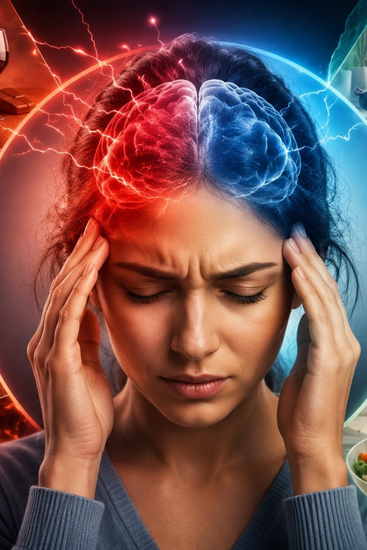
A migraine is much more than a regular headache. It is a neurological condition that causes recurring episodes of moderate to severe head pain, often accompanied by symptoms such as nausea, vomiting, and increased sensitivity to light, sound, or smells. Migraine attacks can last for several hours or even several days, making it difficult for individuals to carry out their daily activities. Although migraines can affect anyone, they are more common in women and often have a significant impact on a person's quality of life.
Common Symptoms of Migraine
Migraine symptoms vary from person to person and may differ from one attack to another. The most common symptom is a throbbing or pulsating headache that is usually felt on one side of the head. Many patients also experience nausea, vomiting, dizziness, blurred vision, and extreme sensitivity to light and noise.
Some individuals may notice warning signs known as aura before the headache begins. These warning signs can include flashing lights, blind spots, tingling sensations, or temporary vision disturbances. Recognizing these symptoms early can help patients seek timely treatment and reduce the severity of an attack.
Understanding Migraine Triggers
Migraines are often triggered by specific factors that vary from one individual to another. Stress is one of the most common triggers and can result from work pressure, emotional challenges, or anxiety.
Poor sleep habits, including insufficient sleep or irregular sleep schedules, can also contribute to migraine attacks. Certain foods such as processed meats, aged cheese, chocolate, and caffeinated beverages may trigger migraines in some people.
Hormonal fluctuations during menstruation, pregnancy, or menopause can increase migraine frequency in women. Environmental factors such as bright lights, loud noises, strong smells, weather changes, and prolonged screen exposure may also trigger symptoms. Additionally, dehydration is a well-known cause of migraines, highlighting the importance of adequate fluid intake throughout the day.
Types of Migraine
There are several different types of migraines, each with unique characteristics. Migraine without aura is the most common type and occurs without any warning signs.
Migraine with aura is preceded by visual or sensory disturbances before the headache starts. Chronic migraine is diagnosed when headaches occur on fifteen or more days each month for at least three months. Vestibular migraine primarily affects balance and can cause dizziness or vertigo.
Hemiplegic migraine is a rare form that may cause temporary weakness or paralysis on one side of the body. Understanding the type of migraine a patient experiences is essential for selecting the most effective treatment approach.
How Migraines Are Diagnosed
Diagnosing migraines typically involves a detailed evaluation of the patient's medical history and symptoms. A neurologist may ask questions about headache patterns, duration, intensity, triggers, and family history.
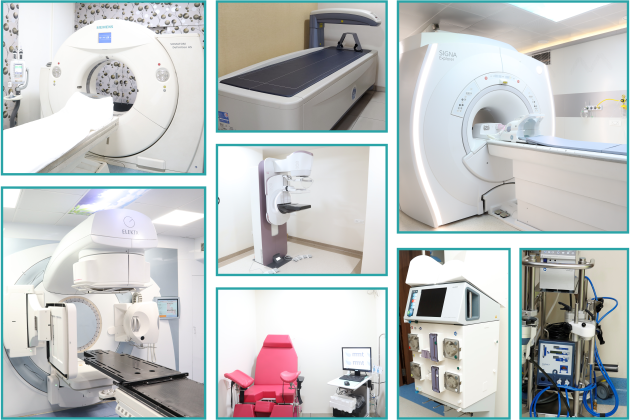
A thorough neurological examination helps identify any underlying concerns. In certain cases, imaging studies such as MRI or CT scans may be recommended to rule out other neurological conditions that could be causing similar symptoms. Accurate diagnosis is the first step toward developing an effective treatment plan.
Migraine Treatment Options
Migraine treatment focuses on relieving symptoms during an attack and preventing future episodes. Acute treatment often includes pain-relieving medications, anti-inflammatory drugs, and medications that specifically target migraine symptoms.
Patients experiencing nausea or vomiting may also require anti-nausea medications. For individuals with frequent or severe migraines, preventive treatment may be recommended.
Preventive therapies can include prescription medications, lifestyle modifications, stress management techniques, and regular physical activity. Advances in neurology have also led to newer treatment options for patients with chronic or difficult-to-control migraines.
Lifestyle Changes to Prevent Migraines
Lifestyle modifications play a significant role in migraine prevention. Maintaining a migraine diary can help patients identify personal triggers and patterns associated with their headaches.
Staying hydrated throughout the day reduces the risk of dehydration-related migraines. Eating a balanced diet and avoiding known trigger foods can also help prevent attacks.
Regular exercise promotes overall health and reduces stress. Practicing relaxation techniques such as meditation, yoga, and deep breathing exercises can further improve stress management.
When Should You See a Doctor?
While occasional headaches may not be a cause for concern, frequent or severe migraines should be evaluated by a healthcare professional.
Patients should seek medical attention if headaches become more intense, occur more often, interfere with daily activities, or do not respond to over-the-counter medications.
Expert Neurology Care at AIMS Hospital Dombivli
At AIMS Hospital Dombivli, patients have access to comprehensive neurological care for migraines and other nervous system disorders. The hospital's experienced specialists provide accurate diagnosis, advanced treatment options, and personalized care plans tailored to each patient's needs.
Dr. Rahul Jankar
Neurophysician
D.M. (Neurology), M.D. (Medicine)
Dr. Rahul Jankar specializes in the diagnosis and management of migraine headaches, epilepsy, stroke, neuropathy, and other neurological conditions.
Dr. Ravi Balkrishna Sangle
Neurosurgeon
M.Ch. (Neurosurgery), M.S. (Gen. Surgery)
Dr. Ravi Balkrishna Sangle is an experienced neurosurgeon who provides expert care for complex neurological and neurosurgical conditions.
Frequently Asked Questions (FAQs)
1. What is the difference between a migraine and a regular headache?
A migraine is a neurological condition that often causes severe throbbing pain along with symptoms such as nausea, vomiting, and sensitivity to light and sound.
2. Can stress cause migraines?
Yes, stress is one of the most common migraine triggers.
3. Are migraines hereditary?
Yes, genetics play an important role in migraine development.
4. Can lifestyle changes help prevent migraines?
Yes, healthy sleep habits, hydration, stress management, exercise, and avoiding triggers can reduce migraine frequency.
5. When should I consult a neurologist for migraines?
You should consult a neurologist if migraines are frequent, severe, worsening, or affecting daily activities.
Conclusion
Migraines can be debilitating and significantly affect an individual's personal and professional life. However, understanding migraine triggers, recognizing symptoms early, and seeking appropriate medical care can make a substantial difference in managing the condition.
At AIMS Hospital Dombivli, patients receive comprehensive neurological care supported by advanced diagnostic facilities and a multidisciplinary healthcare team. Expert neurological care is provided by Dr. Rahul Jankar and Dr. Ravi Balkrishna Sangle, helping patients achieve better symptom control and improved neurological health.
ABOUT US
About AIMSDirector's Message
Vision & Mission
Accreditations
Awards & Accolades
Our Network
Phone Directory
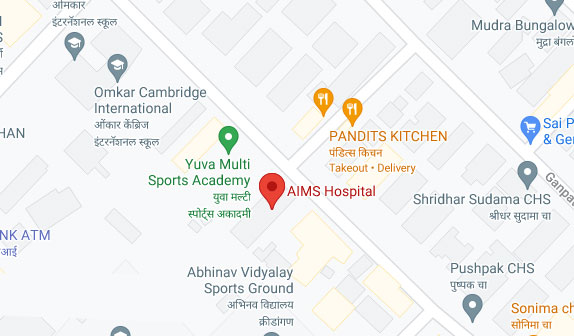
Scan/Click For Location



Designed by Web Creations 2022. All rights reserved.
Leave a Comment