

DATE : 07/09/2026
AUTHOR :
Get Instant Call Back
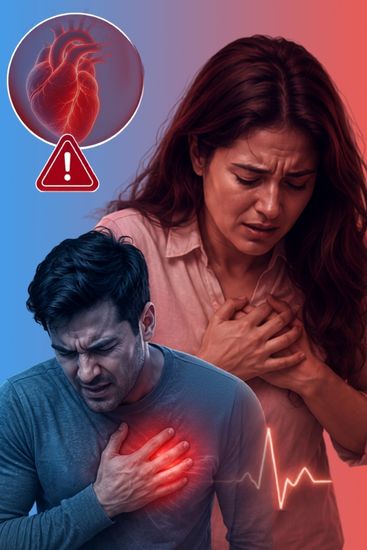
A heart attack, medically known as a myocardial infarction, occurs when blood flow to the heart muscle is severely reduced or blocked. It is a medical emergency, and recognizing the warning signs early can help a person receive treatment quickly and reduce the risk of serious heart damage.
While chest pain or discomfort is the most common symptom in both men and women, symptoms can vary from person to person. Women, older adults and people with diabetes may sometimes experience less obvious symptoms, making it especially important to recognize the full range of warning signs.
Table of Contents
What Is a Heart Attack?
A heart attack happens when blood flow through one or more coronary arteries becomes severely restricted or blocked. This prevents enough oxygen from reaching the heart muscle, which can cause heart tissue to become damaged. A common cause is the rupture of a cholesterol-containing plaque followed by formation of a blood clot. A heart attack requires immediate medical attention. Do not wait for symptoms to become severe before seeking emergency care.
Common Symptoms of Heart Attack
The symptoms of a heart attack can differ in intensity and may develop suddenly or gradually. Common warning signs include:
- Chest pain or discomfort – pressure, squeezing, tightness, heaviness, aching or burning in the chest.
- Pain spreading to other areas – discomfort may travel to the arm, shoulder, back, neck, jaw or upper abdomen.
- Shortness of breath – difficulty breathing may occur with or without chest discomfort.
- Cold sweating – unexplained or sudden sweating can accompany a heart attack.
- Nausea or vomiting – particularly when associated with other warning signs.
- Dizziness or lightheadedness – a person may feel weak, dizzy or close to fainting.
- Unusual tiredness – sudden or unexplained fatigue may be a warning sign, particularly in women.
- Indigestion or heartburn-like discomfort – digestive symptoms can sometimes occur during a heart attack.
- Rapid or irregular heartbeat – palpitations may occur with other symptoms.
Heart Attack Symptoms in Men
Men commonly experience the more recognizable symptoms associated with a heart attack. These may include:
1. Chest Pressure or Pain
A feeling of squeezing, heaviness, pressure or tightness in the centre or left side of the chest is a common warning sign.
2. Pain in the Arm or Shoulder
Pain may spread from the chest to one or both arms or shoulders.
3. Jaw, Neck or Back Pain
Some men may experience discomfort that spreads toward the jaw, neck or back.
4. Shortness of Breath
Breathing difficulty may occur with chest discomfort or sometimes on its own.
5. Sweating, Nausea or Dizziness4
Cold sweating, nausea, vomiting, lightheadedness or dizziness can accompany other symptoms.
However, it is important not to assume that every man will have severe chest pain. Heart attack symptoms can vary significantly between individuals.
Heart Attack Symptoms in Women
Women can experience the same symptoms as men, but they may also experience symptoms that are less obviously connected to the heart. Women are more likely to report symptoms such as nausea, shortness of breath, unusual fatigue and pain in the back, neck, jaw or upper abdomen.
Possible symptoms include:
- Chest pressure, tightness or pain
- Shortness of breath
- Unusual or extreme tiredness
- Nausea or vomiting
- Indigestion or stomach discomfort
- Pain or pressure in the upper abdomen
- Pain in the neck, jaw, shoulder or upper back
- Dizziness or fainting
- Cold sweating
- A feeling that something is seriously wrong
Important: Women can have a heart attack without obvious or severe chest pain. Therefore, symptoms such as sudden breathlessness, unexplained fatigue, nausea or upper-body discomfort should not automatically be dismissed as acidity, indigestion or stress.
Heart Attack Symptoms: Men vs. Women
| Symptoms | Men | Women |
|---|---|---|
| Chest pain/pressure | Common | Common, but may be less noticeable |
| Arm/shoulder pain | Common | Can occur |
| Jaw/neck/back pain | Can occur | Can occur and may be more prominent |
| Shortness of breath | Common | Common |
| Nausea/vomiting | Can occur | More frequently reported |
| Unusual fatigue | Can occur | May be a prominent symptom |
| Indigestion | Can occur | Can occur |
| Upper abdominal discomfort | Can occur | Can occur |
| Dizziness/fainting | Can occur | Can occur |
| Cold sweating | Can occur | Can occur |
Symptoms overlap considerably, so sex alone should never be used to decide whether symptoms are serious
When to Seek Emergency Medical Help
If you or someone around you develops symptoms that could indicate a heart attack, seek emergency medical help immediately. Do not wait to see whether the symptoms disappear.
Emergency warning signs include:
- New or unexplained chest pressure or pain
- Chest discomfort that persists or keeps returning
- Chest discomfort spreading to the arm, jaw, neck, back or upper abdomen
- Sudden shortness of breath
- Cold sweating with chest or upper-body discomfort
- Severe dizziness or fainting
- Unexplained nausea or vomiting accompanied by other possible heart symptoms
A heart attack can sometimes have mild symptoms, so the absence of severe pain does not necessarily mean the situation is safe.
Do not drive yourself to the hospital if you suspect a heart attack. Contact emergency medical services or have someone assist you in getting emergency care.
Heart Specialists at AIMS Hospital, Dombivli
For expert cardiac evaluation and treatment, patients can consult the experienced heart specialists at AIMS Hospital, Dombivli.
DR. GAJANAN GAWANDE-PATIL
Interventional Cardiologist
Dr. Gajanan Gawande-Patil is an Interventional Cardiologist specializing in the evaluation and management of cardiovascular conditions and interventional cardiac care.
DR. LAXMAN GAIKWAD
Interventional Cardiologist
Dr. Laxman Gaikwad is an Interventional Cardiologist involved in the diagnosis and treatment of heart and coronary artery conditions, including interventional cardiac procedures.
DR. PANKAJ POHEKAR
Cardio Vascular & Thoracic Surgeon
Dr. Pankaj Pohekar is a Cardio Vascular & Thoracic Surgeon specializing in surgical management of cardiovascular and thoracic conditions.
Frequently Asked Questions
1. What is the most common symptom of a heart attack?
Chest pain or discomfort is the most common symptom in both men and women. It may feel like pressure, tightness, squeezing, aching or heaviness.
2. Are heart attack symptoms different in men and women?
The symptoms can overlap, but women are more likely to experience symptoms such as unusual fatigue, nausea, shortness of breath and pain in the back, neck, jaw or upper abdomen. Women can also have a heart attack without prominent chest pain.
3. Can a heart attack feel like acidity or indigestion?
Yes. Heart attack symptoms can sometimes resemble heartburn or indigestion. New or unexplained digestive discomfort, particularly when accompanied by chest discomfort, sweating, breathlessness or other symptoms, should not be ignored.
4. Can a heart attack happen without chest pain?
Yes. Some people, particularly women, older adults and people with diabetes, may have less obvious symptoms or may not experience typical chest pain.
5. What should I do if I think I am having a heart attack?
Treat it as a medical emergency and seek emergency medical help immediately. Do not wait for the symptoms to become severe or disappear on their own.
Conclusion
Knowing the Symptoms of Heart Attack in Men & Women can help people recognize a potentially life-threatening emergency at the right time. Although chest pain or pressure remains the most common warning sign, symptoms such as breathlessness, sweating, nausea, dizziness, unusual fatigue and pain in the arm, back, neck or jaw can also occur.
If you experience sudden or unexplained symptoms that could indicate a heart attack, do not ignore them or assume they are only acidity, indigestion or fatigue. Seek emergency medical care immediately.
For expert cardiac evaluation, diagnosis and treatment, AIMS Hospital, Dombivli provides access to experienced specialists, including Interventional Cardiologists Dr. Gajanan Gawande-Patil and Dr. Laxman Gaikwad, and Cardio Vascular & Thoracic Surgeon Dr. Pankaj Pohekar. Timely medical evaluation can make an important difference in heart emergencies.
ABOUT US
About AIMSDirector's Message
Vision & Mission
Accreditations
Awards & Accolades
Our Network
Phone Directory
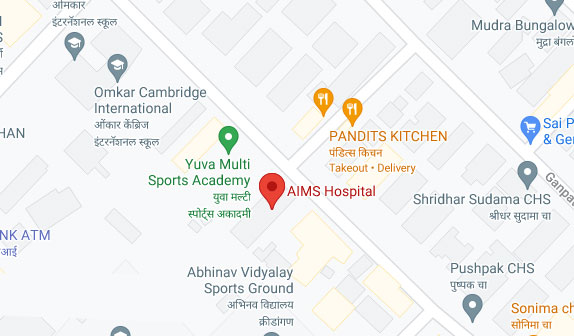
Scan/Click For Location



Designed by Web Creations 2022. All rights reserved.
Leave a Comment