




DATE : 27/10/2025
AUTHOR : AIMS Hospital
Get Instant Call Back
Table of Contents
- What Are Fungal Diseases?
- Common Types of Fungal Infections
- Causes and Risk Factors
- Symptoms of Fungal Infections
- Diagnosis and Medical Evaluation
- Treatment and Management
- Prevention Tips
- When to See a Doctor
- FAQs
- Conclusion
Fungal infections are caused by fungi affecting the skin, nails, lungs, and internal organs. While mild infections like athlete’s foot are common, severe fungal infections can be dangerous, particularly in people with weakened immune systems. Early diagnosis and prompt treatment are essential to prevent complications and ensure complete recovery.
What Are Fungal Diseases?
Fungal diseases occur when harmful fungi invade body tissues. Although some fungi naturally live on the skin and other parts of the body, overgrowth or exposure to dangerous fungi can cause infections. Commonly affected areas include the skin, scalp, nails, lungs, and genital regions.
Common Types of Fungal Infections
Ringworm (Tinea): Infectious skin disease causing itchy, round, red patches.
Tinea Pedis (Athlete’s Foot): Affects the feet, causing skin cracking, burning, and itching.
Onychomycosis: Nail fungus causing thickened, discolored, and brittle nails.
Candida Infections: Usually affect the mouth, throat, and genital areas.
Aspergillosis: Lung infection mainly in people with weakened immune systems, caused by inhaling fungal spores.
Histoplasmosis: Lung infection resulting from inhaling spores from bird or bat droppings.
Causes and Risk Factors
Fungi thrive in humid conditions. Common causes and risk factors include:
- Poor personal hygiene or wearing tight clothing
- Use of antibiotics or steroids
- Weakened immune system due to diabetes, HIV, or chemotherapy
- Contact with infected individuals or animals
Symptoms of Fungal Infections
Symptoms vary depending on the infection type and location:
- Skin peeling or cracking
- White patches in the mouth or on the tongue
- Thickened, discolored nails
- Fever, coughing, and breathing difficulties in serious lung infections
Diagnosis and Medical Evaluation
- Swab tests or skin scraping for lab analysis
- Blood tests for internal infections
- Blood testsfor internal infections
- Microscopic examination and imaging (CT scan, X-ray)for lung or internal organ infections
Treatment and Management
- Topical antifungals: Ointments and lotions for skin infections
- Shampoos and powders: For scalp and body infections
- Oral antifungals: Medications like terbinafine, itraconazole, and fluconazole
- Intravenous antifungals: For severe systemic infections
Important: Always complete the full course of prescribed medications to prevent recurrence.
Prevention Tips
- Maintain good personal hygiene
- Keep skin dry, especially between toes and skin folds
- Avoid sharing shoes, towels, or personal items
- Wear breathable clothing and change after sweating
- Use antifungal powder if prone to infections
- Exercise regularly and eat a healthy diet to strengthen immunity
- Avoid going barefoot in public pools and showers
When to See a Doctor
- Over-the-counter treatments do not work within two weeks
- You have a weakened immune system or diabetes
- Symptoms appear with fever, cough, or chest pain
Consult a dermatologist for skin, nail, or scalp infections, and an infectious disease specialist for serious or systemic infections.
FAQs
Q1. Can fungal infections spread?
Yes. Direct contact with infected skin or contaminated objects can spread infections like ringworm and athlete’s foot.
Q2. Can fungal diseases be treated at home?
Mild infections may improve with antifungal creams and proper hygiene. Chronic or severe infections need medical attention.
Q3. Are fungal infections recurrent?
Yes. They may return if treatment is stopped early or hygiene is poor.
Q4. Can anyone use antifungal creams safely?
Most antifungals are safe, but pregnant women or people with allergies should consult a doctor first.
Q5. Which doctor should I see for a fungal infection?
Dermatologists handle skin, nail, and scalp infections. Infectious disease specialists manage severe or systemic fungal infections.
Conclusion
Fungal infections are common but manageable with proper care and medical attention. Following treatment plans, maintaining hygiene, keeping the skin dry, and strengthening immunity can prevent recurrence and ensure full recovery
Dr. Vaibhav Kalambe, a skilled dermatologist at AIMS Hospital, Dombivli, provides comprehensive treatment for all fungal infections. Using advanced diagnostic tools and personalized treatment programs, Dr. Kalambe and the team ensure effective management and long-term relief from fungal diseases.
ABOUT US
About AIMSDirector's Message
Vision & Mission
Accreditations
Awards & Accolades
Our Network
Phone Directory
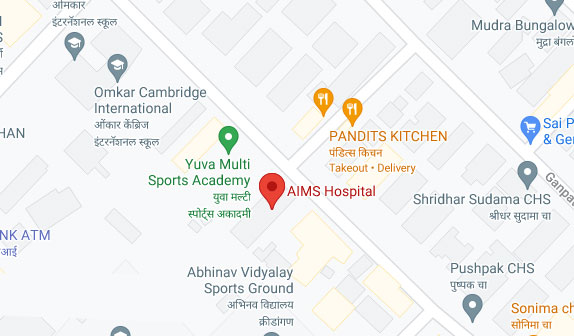
Scan/Click For Location



Designed by Web Creations 2022. All rights reserved.
Leave a Comment