



.png)
DATE : 17/09/2026
AUTHOR :
Get Instant Call Back
Knee pain, stiffness, and difficulty walking can significantly affect your daily life. One of the most common causes of persistent knee pain is osteoarthritis of the knee. It is a degenerative joint condition that occurs when the protective cartilage in the knee gradually wears down.
Understanding the symptoms, stages, causes, and treatment options can help you seek timely medical care and maintain better mobility.
Table of Contents
- What Is Osteoarthritis of the Knee?
- What Causes Knee Osteoarthritis?
- Symptoms of Knee Osteoarthritis
- Stages of Knee Osteoarthritis
- How Is Knee Osteoarthritis Diagnosed?
- Treatment for Knee Osteoarthritis
- Lifestyle Tips to Manage Knee Osteoarthritis
- When Should You See an Orthopaedic Specialist?
- Our Orthopaedic Specialists
- Frequently Asked Questions
- Conclusion
What Is Osteoarthritis of the Knee?
Osteoarthritis of the knee is a condition in which the cartilage that cushions the ends of the bones gradually breaks down. This cartilage allows the knee joint to move smoothly and absorb shock during activities such as walking and climbing stairs.
As the cartilage wears down, the knee may become painful, stiff, swollen, and difficult to move. While osteoarthritis is more common with age, younger individuals can also develop it due to previous injuries, excess weight, or other joint problems.
What Causes Knee Osteoarthritis?
Several factors may increase the risk of developing knee osteoarthritis, including:
- Increasing age
- Excess body weight
- Previous knee injuries
- Repetitive stress on the knee
- Muscle weakness
- Joint deformities
- Family history of osteoarthritis
- Certain medical conditions affecting the joints
Symptoms of Knee Osteoarthritis
The symptoms of knee osteoarthritis may develop gradually and become more noticeable over time.
Knee Pain
Pain may occur while walking, climbing stairs, exercising, or standing for long periods.
Knee Stiffness
The knee may feel stiff after waking up or after sitting for an extended period.
Swelling
Inflammation inside the joint may cause swelling around the knee.
Reduced Knee Movement
Bending or straightening the knee may become difficult as the condition progresses.
Clicking or Grinding Sensation
Some people may notice clicking, cracking, or grinding sounds while moving the knee.
Difficulty Performing Daily Activities
Advanced osteoarthritis can make walking, climbing stairs, getting up from a chair, and other routine activities difficult.
Stages of Knee Osteoarthritis
Knee osteoarthritis is generally classified into different stages depending on the extent of joint damage and symptoms.
Stage 1 – Early Osteoarthritis
Changes in the knee are usually mild. There may be little or no pain, although occasional stiffness or discomfort can occur after physical activity.
Stage 2 – Mild Osteoarthritis
Pain and stiffness become more noticeable, particularly during activities. Early cartilage damage and joint-space narrowing may be seen on imaging.
Stage 3 – Moderate Osteoarthritis
Cartilage damage becomes more significant. Patients may experience frequent pain, swelling, stiffness, and reduced knee movement. Daily activities may become difficult.
Stage 4 – Severe Osteoarthritis
There may be significant cartilage loss and severe narrowing of the joint space. Pain can become persistent, and movement may be considerably restricted.
In advanced cases, knee replacement surgery may be considered when other treatments no longer provide adequate relief.
How Is Knee Osteoarthritis Diagnosed?
An orthopaedic specialist will evaluate your symptoms, medical history, and knee movement.
Depending on your symptoms, the doctor may recommend imaging tests such as:
- X-ray
- MRI, when required
- Other investigations based on individual needs
These tests help assess joint-space narrowing, cartilage damage, and other changes in the knee.
Treatment for Knee Osteoarthritis
Treatment depends on the severity of osteoarthritis, symptoms, age, activity level, and overall health.
Lifestyle Modifications
Maintaining a healthy weight can help reduce stress on the knee. Low-impact activities such as walking, swimming, and cycling may help maintain mobility.
Physiotherapy and Exercise
Specific exercises can strengthen the muscles supporting the knee, improve flexibility, and support better joint function.
Medicines
Doctors may recommend appropriate medicines to manage pain and inflammation depending on the patient's condition.
Injections
In selected cases, injections may be considered to help manage knee pain. The appropriate option depends on individual medical assessment.
Knee Replacement Surgery
When severe osteoarthritis causes persistent pain and significantly affects daily activities despite non-surgical treatment, knee replacement surgery may be considered.
The procedure involves replacing damaged parts of the knee joint with artificial components to help improve pain and function.
Lifestyle Tips to Manage Knee Osteoarthritis
Some lifestyle changes may help manage symptoms and support knee health:
- Maintain a healthy body weight.
- Stay physically active with suitable exercises.
- Strengthen the muscles around the knee.
- Avoid activities that place excessive stress on the knee.
- Follow your physiotherapy plan regularly.
- Avoid suddenly increasing exercise intensity.
- Consult a doctor if pain or swelling continues to worsen.
When Should You See an Orthopaedic Specialist?
You should consider consulting an orthopaedic specialist if you experience:
- Persistent or worsening knee pain
- Recurrent swelling
- Significant stiffness
- Difficulty walking or climbing stairs
- Reduced knee movement
- Pain affecting sleep or daily activities
- Symptoms that do not improve with basic measures
Early diagnosis can help determine the appropriate treatment and prevent symptoms from affecting your quality of life.
Our Orthopaedic Specialists
Dr. Vishal Lapshia
Orthopedic, Joint Replacement & Arthroplasty Surgeon
Specialist in orthopaedic care, joint replacement, and arthroplasty procedures.
Dr. Nilesh Hirekhan
Paediatric Orthopedics
Specialist in diagnosing and treating orthopaedic conditions in children.
If you are experiencing persistent knee pain, stiffness, or difficulty walking, consult our orthopaedic specialists at AIMS Hospital Dombivli.
Frequently Asked Questions
1. What is the main symptom of knee osteoarthritis?
Knee pain is one of the most common symptoms. Stiffness, swelling, reduced movement, and difficulty performing daily activities may also occur.
2. Can knee osteoarthritis be cured?
Osteoarthritis is a progressive condition, but appropriate treatment can help manage symptoms, improve mobility, and maintain quality of life.
3. Can exercise help with knee osteoarthritis?
Yes. Appropriate strengthening and low-impact exercises can help improve muscle strength, flexibility, and knee function.
4. When is knee replacement recommended?
Knee replacement may be considered when severe osteoarthritis causes persistent pain and significantly affects daily activities despite appropriate non-surgical treatment.
5. Can weight loss help with knee pain?
Maintaining a healthy weight can reduce stress on the knee joint and may help improve pain and mobility.
6. Is knee osteoarthritis common with age?
Yes. The risk generally increases with age, although osteoarthritis can also occur in younger people due to injuries, excess weight, or other risk factors.
Conclusion
Osteoarthritis of the knee is a common condition that can gradually affect mobility and daily activities. Symptoms such as persistent knee pain, stiffness, swelling, and reduced movement should not be ignored.
Early diagnosis and appropriate treatment can help manage symptoms and maintain mobility. Depending on the severity, treatment may include lifestyle changes, physiotherapy, medicines, injections, or knee replacement surgery.
If knee pain is affecting your daily life, consult the orthopaedic specialists at AIMS Hospital Dombivli for proper evaluation and personalised treatment guidance.
ABOUT US
About AIMSDirector's Message
Vision & Mission
Accreditations
Awards & Accolades
Our Network
Phone Directory
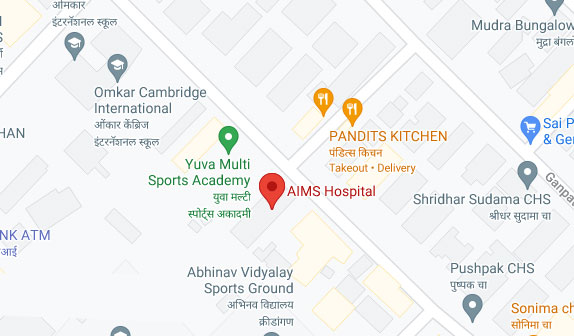
Scan/Click For Location



Designed by Web Creations 2022. All rights reserved.
Leave a Comment