


DATE : 07/07/2026
AUTHOR :
Get Instant Call Back
Table of Contents
- 1. Introduction
- 2. Why Do Seasonal Diseases Increase During Monsoon?
- 3. Common Monsoon Diseases and Their Causes
- 4. Essential Monsoon Health Tips to Stay Safe
- 5. Importance of Healthy Food During Monsoon
- 6. Boosting Immunity During the Rainy Season
- 7. Maintain Clean Surroundings
- 8. When Should You Consult a Doctor?
- 9. Expert Medical Care at AIMS Hospital, Dombivli
- 10. Frequently Asked Questions (FAQs)
- 11. Conclusion
Introduction
The monsoon season brings much-needed relief from the summer heat and fills the surroundings with greenery and freshness. However, along with the beauty of rainfall, this season also increases the risk of various seasonal diseases. Changes in weather conditions, increased humidity, stagnant water, contaminated food and water, and the growth of bacteria and viruses create a favourable environment for infections.
Common illnesses during monsoon include fever, cold, cough, dengue, malaria, stomach infections, and skin problems. By following simple monsoon health tips and maintaining healthy habits, we can protect ourselves and our families from seasonal diseases.
Why Do Seasonal Diseases Increase During Monsoon?
During monsoon, the rise in humidity and frequent rainfall create conditions where harmful microorganisms can multiply quickly. Stagnant water collected in open areas, containers, and potholes becomes a breeding place for mosquitoes that spread diseases like dengue and malaria.
Rainwater can also contaminate water sources, increasing the chances of food and water-borne infections. Due to sudden temperature changes and reduced immunity, many people become more vulnerable to viral infections, especially children and elderly individuals.
Common Monsoon Diseases and Their Causes
Monsoon is associated with several health problems, including cold, cough, flu, dengue, malaria, stomach infections, and skin diseases. Respiratory infections commonly occur due to sudden weather changes and exposure to rain.
Mosquito-borne diseases such as dengue and malaria spread through infected mosquito bites, while contaminated food and water can cause diarrhoea, vomiting, and stomach discomfort.
The continuous moisture during rainy days also encourages fungal growth, leading to skin infections, itching, allergies, and other dermatological problems.
- Cold, cough and viral fever
- Dengue
- Malaria
- Typhoid
- Diarrhoea and food poisoning
- Skin fungal infections
- Eye infections
Essential Monsoon Health Tips to Stay Safe
Maintaining good hygiene is one of the most important steps to prevent monsoon diseases. Always drink clean and filtered water, and avoid consuming water from unknown sources. Washing hands regularly with soap before eating and after coming from outside helps prevent the spread of infections.
If you get wet in the rain, take a bath and change into dry clothes to avoid catching a cold or developing skin problems.
Preventing mosquito breeding is another important part of monsoon health care. Avoid allowing water to collect around your home, keep water storage containers covered, and regularly clean areas where mosquitoes can breed.
Using mosquito nets, repellents, and wearing full-sleeved clothes can reduce the risk of mosquito bites and protect against diseases like dengue and malaria.
Quick Prevention Tips
- Drink clean, filtered or boiled water.
- Wash hands frequently.
- Avoid roadside and uncovered food.
- Wear clean, dry clothes.
- Keep your surroundings free from stagnant water.
- Use mosquito repellents.
- Sleep under mosquito nets if required.
- Maintain personal hygiene.
- Stay hydrated.
- Seek medical advice if symptoms persist.
Importance of Healthy Food During Monsoon
Eating fresh and nutritious food plays an important role in maintaining health during the rainy season. Always consume freshly prepared meals and wash fruits and vegetables properly before eating. Avoid uncovered street food, raw foods from unhygienic places, and food that has been stored for a long time, as these may contain harmful bacteria.
Warm homemade foods, soups, seasonal fruits, vegetables, and protein-rich foods help improve digestion and support immunity.
- Eat freshly cooked meals.
- Wash fruits and vegetables thoroughly.
- Avoid uncovered street food.
- Drink boiled or filtered water.
- Include seasonal fruits and vegetables.
- Eat protein-rich foods.
Boosting Immunity During the Rainy Season
A strong immune system helps the body fight infections effectively. Include foods rich in vitamins, minerals, and antioxidants in your daily diet. Fruits like oranges, amla, guava, and lemons provide vitamin C, which supports immunity.
Protein-rich foods such as pulses, eggs, milk, and nuts help maintain body strength. Traditional ingredients like turmeric, ginger, and garlic are also commonly used to support overall health.
Along with a healthy diet, proper sleep, regular exercise, staying hydrated, and stress management contribute to better immunity.
- Get 7–8 hours of sleep.
- Exercise regularly.
- Drink enough water.
- Eat foods rich in Vitamin C.
- Include turmeric, ginger, and garlic in your diet.
Maintain Clean Surroundings
Keeping your surroundings clean is essential during monsoon. Proper disposal of garbage, cleaning drains regularly, removing stagnant water, and ensuring proper ventilation inside the house can reduce the spread of infections.
A clean environment prevents the growth of mosquitoes, bacteria, and fungi, creating a healthier living space for everyone.
- Clean drains regularly.
- Dispose of garbage properly.
- Remove stagnant water.
- Keep water tanks covered.
- Maintain proper ventilation.
When Should You Consult a Doctor?
Although many seasonal illnesses are mild and improve with proper care, some symptoms should not be ignored.
Consult a doctor immediately if you experience:
- High fever lasting more than two days.
- Severe weakness.
- Continuous vomiting.
- Persistent diarrhoea.
- Difficulty breathing.
- Unusual skin rashes.
- Severe body pain.
Early medical attention helps in proper diagnosis and prevents complications.
Expert Medical Care at AIMS Hospital, Dombivli
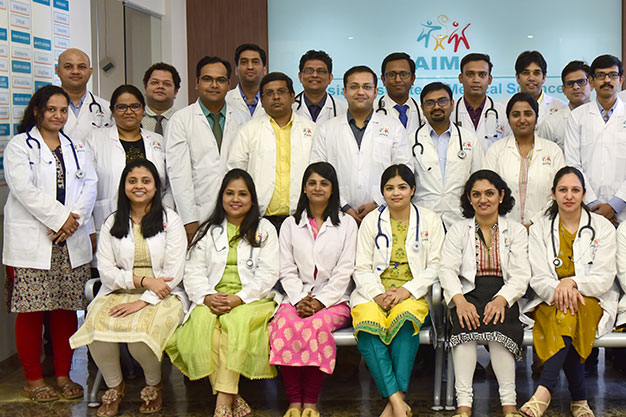
During the monsoon season, timely medical consultation is important to prevent seasonal diseases from becoming severe. At AIMS Hospital, Dombivli, experienced specialists provide expert care for various monsoon-related health concerns.
- Dr. Sandeep Kadian – General Physician & Chest Physician
Consultation for fever, cold, cough, respiratory infections, viral illnesses, and seasonal diseases. - Dr. Vaibhav Kalambe – Dermatologist
Treatment for fungal infections, skin allergies, itching, rashes, and other skin conditions during monsoon. - Dr. Bobby Sadawarti – Pediatrician & Neonatologist
Specialised medical care for children's fever, infections, cough, cold, and seasonal illnesses.
With the guidance of experienced doctors, patients receive timely diagnosis, proper treatment, and preventive healthcare support throughout the rainy season.
Frequently Asked Questions (FAQs)
1. Why do seasonal diseases increase during monsoon?
Seasonal diseases increase during monsoon because humidity, stagnant water, contaminated food and water, and mosquito breeding create ideal conditions for infections to spread.
2. Which doctor should I consult for monsoon fever and infections?
For fever, cold, cough, and general infections, consult a General Physician. At AIMS Hospital, Dombivli, Dr. Sandeep Kadian provides expert consultation.
3. Which doctor treats monsoon skin infections?
Skin problems such as fungal infections, itching, and rashes can be treated by a Dermatologist. Dr. Vaibhav Kalambe provides specialised skin care.
4. Which doctor should I consult for children's monsoon health problems?
For children's fever, infections, and seasonal illnesses, consult Dr. Bobby Sadawarti, Pediatrician & Neonatologist.
5. How can I prevent monsoon diseases?
Maintain good hygiene, drink clean water, eat fresh food, avoid stagnant water, and follow healthy lifestyle habits.
6. When should I visit a doctor during monsoon?
Visit a doctor if symptoms such as high fever, severe weakness, breathing difficulty, continuous vomiting, persistent diarrhoea, or infections do not improve with basic care.
Conclusion
The monsoon season brings freshness and happiness, but it also requires extra attention towards health and hygiene. Increased humidity, contaminated water, stagnant water, and the spread of bacteria and mosquitoes can increase the risk of seasonal diseases.
By following simple preventive measures such as maintaining personal hygiene, drinking clean water, eating fresh and nutritious food, keeping surroundings clean, and preventing mosquito breeding, we can significantly reduce the chances of infections.
A healthy lifestyle, strong immunity, and timely medical care play an important role in staying safe during the rainy season. With proper awareness and care, everyone can enjoy the beauty of monsoon while protecting themselves and their loved ones from seasonal illnesses.
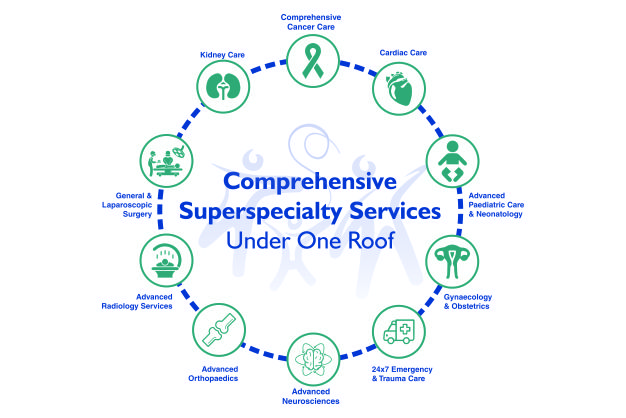
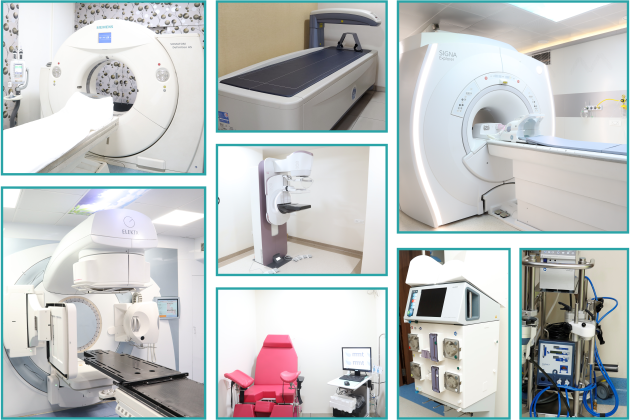
For any health concerns during the monsoon season, timely consultation with experienced doctors is important. AIMS Hospital, Dombivli provides quality healthcare services with experienced specialists, advanced facilities, and comprehensive treatment options to manage seasonal infections and other health conditions.
From preventive health advice to timely diagnosis and treatment, AIMS Hospital helps patients stay healthy and safe throughout the monsoon season.
ABOUT US
About AIMSDirector's Message
Vision & Mission
Accreditations
Awards & Accolades
Our Network
Phone Directory
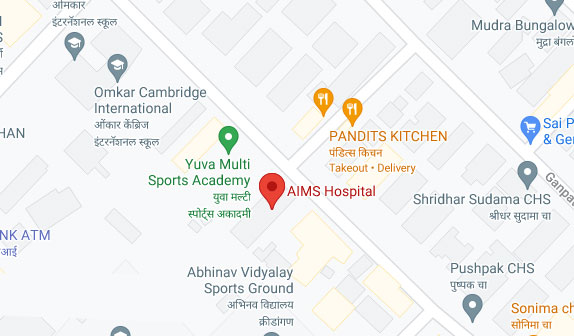
Scan/Click For Location



Designed by Web Creations 2022. All rights reserved.
Leave a Comment