



DATE : 18/10/2025
AUTHOR : AIMS Hospital
Get Instant Call Back
Hypothyroidism vs Hyperthyroidism Key Differences.
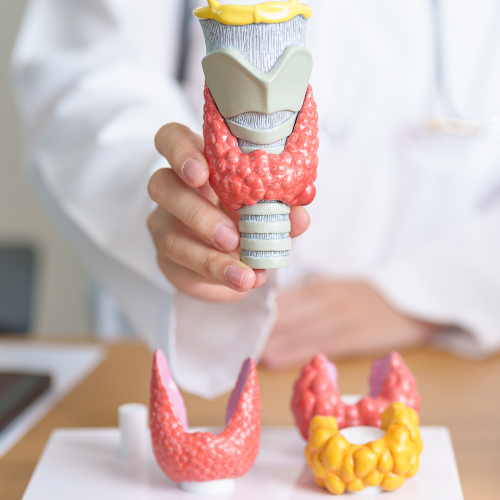
Your body is greatly impacted by the thyroid, a little butterfly-shaped gland located in the front of your neck that produces hormones that control your body temperature, heart rate, energy levels, and metabolism. Hypothyroidism and hyperthyroidism are the two main disorders that can result from abnormal thyroid function. For an early diagnosis and successful treatment, it is essential to comprehend the distinctions between these ailments.
Table of Contents
- What is Hypothyroidism?
- What is Hyperthyroidism?
- Differences Between Hypothyroidism and Hyperthyroidism
- When to See a Doctor
- Lifestyle Tips for Thyroid Health
- FAQs
What is Hypothyroidism?
When the thyroid gland does not create enough thyroid hormones, hypothyroidism results. Numerous body processes are impacted by this slowness, which frequently results in a general decline in metabolism.
Common Causes:
Iodine deficiency
Autoimmune disorders (e.g., Hashimoto’s thyroiditis)
Certain drugs
Thyroid surgery or radiation therapy
Symptoms of Hypothyroidism:
Fatigue and low energy
Weight gain without dietary changes
Cold intolerance
Slow heartbeat
Constipation
Depression or low mood
Facial or hand swelling
Treatment: In addition to lifestyle changes including eating a balanced diet high in iodine and selenium, thyroid hormone replacement treatment (such as levothyroxine) is typically used to treat hypothyroidism.
What is Hyperthyroidism?
The opposite condition is hyperthyroidism, in which the thyroid overproduces thyroid hormones. Numerous organs and systems are impacted by this overstimulation, which speeds up metabolism.
Common Causes:
Thyroid lumps or tumors
Graves' disease (autoimmune illness)
Excessive iodine consumption
Specific drugs
Symptoms of Hyperthyroidism:
Unexpected weight loss
Fast or erratic heartbeat
Heavy perspiration and heat intolerance
Anxiety or nervousness
Tremors in the hands or fingers
Frequent bowel movements
Exhaustion while having a lot of energy
Thyroid swelling (goiter)
Treatment: Anti-thyroid drugs, radioactive iodine therapy, and in certain situations, surgically excising a portion of the thyroid are all options for treating hyperthyroidism. Changes in lifestyle such as reducing stress and consuming less iodine might also be beneficial.
Differences Between Hypothyroidism and Hyperthyroidism
|
Hypothyroidism | Hyperthyroidism | |
| Hormone Level | Low thyroid hormone | High thyroid hormone | |
| Metabolism | Slow | Fast | |
| Weight | Gain | Loss | |
| Energy | Low | High but may feel anxious | |
| Heart Rate | Slow | Fast/irregular | |
| Temperature Sensitivity | Cold intolerance | Heat intolerance | |
| Common Causes | Hashimoto’s, iodine deficiency | Graves, thyroid nodules | |
| Treatment | Hormone replacement | Anti-thyroid meds, radioactive iodine, surgery |
When to See a Doctor
Early thyroid illness discovery can prevent serious side effects like cardiac trouble, infertility, or severe metabolic issues. See an endocrinologist or other qualified healthcare provider immediately if you have ongoing symptoms such as sudden changes in weight, palpitations, fatigue, or mood fluctuations.
Lifestyle Tips for Thyroid Health
Balanced Diet: Consume foods high in zinc, selenium, and iodine.
Frequent Exercise: Maintains energy levels and helps control metabolism.
Stress Management: Hobbies, yoga, and meditation lower the chance of hormone imbalance.
Routine Checkups: Early detection of problems is aided by routine thyroid function testing.
FAQs
1.Can someone with hypothyroidism gain weight even if they eat normally?
Indeed, even in the absence of dietary modifications, weight gain may result from a sluggish metabolism brought on by low thyroid hormone.
2.Is anxiety always associated with hyperthyroidism?
Though not always, anxiety, restlessness, or irritability are frequently brought on by an elevated metabolism.
3.Can alterations in lifestyle enhance thyroid function?
Indeed, regular checkups, stress management techniques, exercise, and a balanced diet can help manage symptoms and support medical treatment.
4.Are thyroid conditions inherited?
Although there may be a genetic component to some thyroid disorders such as Hashimoto’s or Graves’ disease, environmental variables also come into play.
5.Is surgery the only way to treat hyperthyroidism?
No, radioactive iodine therapy and medication are frequently successful. Only in certain situations, such as massive goiters or thyroid nodules, is surgery contemplated.
Conclusion
Your body moves more quickly when you have hyperthyroidism than when you have hypothyroidism. Careful medical attention and lifestyle management are necessary for both disorders. Our skilled General Physician, Dr. Sandeep Kadian, at AIMS Hospital Dombivli, assists you in understanding your thyroid condition, recognizing symptoms early, and taking proactive measures for successful treatment and long-term thyroid health.
ABOUT US
About AIMSDirector's Message
Vision & Mission
Accreditations
Awards & Accolades
Our Network
Phone Directory
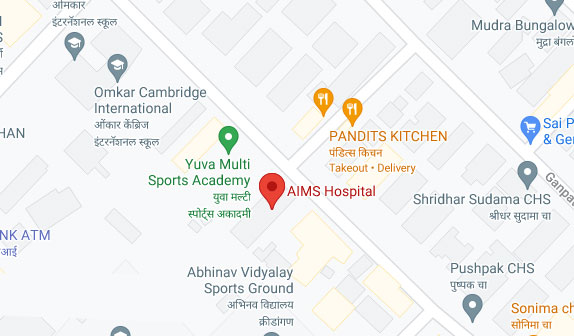
Scan/Click For Location



Designed by Web Creations 2022. All rights reserved.
Leave a Comment