


DATE : 17/08/2026
AUTHOR :
Get Instant Call Back
Table of Contents
- Introduction
- Why Food Poisoning Is Common During the Rainy Season
- Common Causes of Food Poisoning
- Symptoms of Food Poisoning
- Tips to Prevent Food Poisoning During the Monsoon
- Foods to Avoid During the Rainy Season
- Expert Advice from AIMS Hospital Dombivli
- When Should You Visit a Doctor?
- Frequently Asked Questions (FAQs)
- Conclusion
Introduction
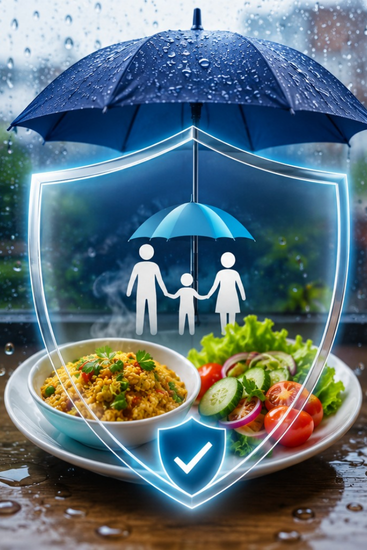
The monsoon brings relief from the summer heat, but increased humidity, water contamination, and improper food storage can also raise the risk of foodborne illnesses.
Food poisoning can affect people of all ages and may cause symptoms ranging from mild stomach discomfort to severe dehydration. Fortunately, most cases can be prevented by following good hygiene practices and making safe food choices. By understanding the causes and taking simple precautions, you can protect yourself and your family throughout the rainy season.
Why Food Poisoning Is Common During the Rainy Season
During the monsoon, moisture and warm temperatures allow harmful microorganisms such as Salmonella, E. coli, Campylobacter, and Listeria to grow rapidly. Food spoils faster, especially when it is left uncovered or stored at room temperature for long periods.
Contaminated drinking water, poorly washed vegetables, stale food, and unhygienic street food further increase the chances of developing food poisoning. Since digestive infections are more frequent during this season, extra care should be taken while preparing, storing, and consuming food.
Common Causes of Food Poisoning
Food poisoning occurs when food or water becomes contaminated with harmful bacteria, viruses, parasites, or toxins. Some of the most common causes include:
- Eating undercooked meat, eggs, seafood, or poultry
- Drinking contaminated or untreated water
- Consuming stale or improperly stored food
- Poor hand hygiene before eating or cooking
- Cross-contamination between raw and cooked foods
- Eating food prepared in unhygienic conditions
- Consuming roadside food exposed to dust, flies, and rainwater
Symptoms of Food Poisoning
Symptoms may appear within a few hours after consuming contaminated food or may take longer depending on the type of infection.
Common symptoms include:
- Nausea and vomiting
- Loose motions (diarrhea)
- Stomach cramps
- Abdominal pain
- Fever
- Loss of appetite
- Weakness and fatigue
- Headache
- Dehydration
While mild cases often improve with rest and adequate fluids, severe symptoms should never be ignored.
Tips to Prevent Food Poisoning During the Monsoon
Wash Your Hands Frequently
Always wash your hands with soap and clean water before cooking, eating, and after using the washroom. Proper hand hygiene helps prevent the spread of harmful bacteria.
Drink Safe Water
Use purified, filtered, or boiled drinking water. Avoid ice or beverages prepared with untreated water, especially while travelling.
Eat Freshly Cooked Food
Freshly prepared meals are much safer than food that has been left outside for several hours. Reheat leftovers thoroughly before eating.
Store Food Properly
Keep cooked food refrigerated if it is not consumed immediately. Avoid storing cooked food at room temperature for extended periods.
Wash Fruits and Vegetables Well
Rinse fruits and vegetables thoroughly under clean running water before eating or cooking them. Leafy vegetables should be cleaned carefully to remove dirt and germs.
Avoid Street Food
Roadside food is more likely to become contaminated during the rainy season due to poor hygiene, exposure to flies, and unsafe water.
Maintain Kitchen Hygiene
Clean kitchen surfaces, utensils, chopping boards, and storage containers regularly. Separate raw meat from cooked food to avoid cross-contamination.
Foods to Avoid During the Rainy Season
Certain foods are more likely to become contaminated during the monsoon and should be avoided or consumed with caution.
These include:
- Uncovered street food
- Cut fruits sold outside
- Raw salads from unhygienic places
- Undercooked seafood and meat
- Stale leftovers
- Unpasteurized dairy products
- Juices prepared with unsafe water
Choosing freshly cooked, hot meals is one of the safest ways to reduce the risk of food poisoning.
Expert Advice from AIMS Hospital Dombivli
According to Dr. Sandeep Kadian, General Physician, Chest Physician & Intensivist at AIMS Hospital Dombivli, food poisoning cases tend to rise significantly during the rainy season because bacteria multiply rapidly in warm and humid conditions. He advises everyone to consume freshly cooked food, drink purified water, maintain proper hand hygiene, and avoid unhygienic street food whenever possible.
When Should You Visit a Doctor?
Seek immediate medical attention if you experience:
- Severe or persistent vomiting
- Diarrhea lasting more than 48 hours
- High fever
- Blood in stools
- Severe abdominal pain
- Signs of dehydration, including dizziness, dry mouth, or reduced urination
- Symptoms in children, elderly individuals, or pregnant women
Early diagnosis can prevent complications and help you recover more quickly.
Frequently Asked Questions (FAQs)
1. Why is food poisoning more common during the rainy season?
The humid weather encourages the growth of bacteria and increases the risk of food and water contamination.
2. Can food poisoning be treated at home?
Mild cases often improve with rest, hydration, and oral rehydration solution (ORS). However, severe symptoms require medical evaluation.
3. Is it safe to eat street food during the monsoon?
It is best to avoid unhygienic street food during the rainy season because it has a higher risk of contamination.
4. How can I reduce my risk of food poisoning?
Wash your hands regularly, drink clean water, eat freshly cooked food, store food properly, and maintain kitchen hygiene.
5. Who is at higher risk of severe food poisoning?
Young children, elderly adults, pregnant women, and people with weakened immune systems are at a greater risk of complications.
6. Do I need antibiotics for food poisoning?
Not always. Many cases are caused by viruses or toxins and improve with supportive care. Antibiotics should only be taken when prescribed by a qualified healthcare professional.
Conclusion
Food poisoning is one of the most common health concerns during the rainy season, but it is largely preventable. Simple habits such as maintaining proper hygiene, drinking safe water, eating freshly cooked food, and avoiding contaminated food sources can significantly reduce your risk of infection.
If you experience severe or persistent symptoms, seek medical care without delay. The experienced team at AIMS Hospital Dombivli is committed to providing timely diagnosis, effective treatment, and compassionate care to help patients recover safely and stay healthy throughout the monsoon.
ABOUT US
About AIMSDirector's Message
Vision & Mission
Accreditations
Awards & Accolades
Our Network
Phone Directory
Scan/Click For Location



Designed by Web Creations 2022. All rights reserved.
Leave a Comment