

DATE : 13/07/2026
AUTHOR :
Get Instant Call Back
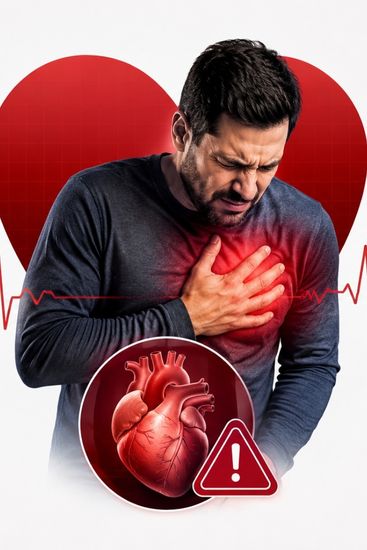
A heart attack is one of the most serious medical emergencies that can happen suddenly and without much warning. Understanding the early warning signs of a heart attack can help a person get immediate medical attention and improve the chances of recovery. Many people ignore symptoms thinking they are caused by stress, tiredness, or acidity, but recognizing the difference can save a life.
At AIMS Hospital Dombivli, expert cardiac care is provided with advanced facilities and experienced specialists to diagnose and treat heart-related emergencies. Early consultation and timely treatment play a major role in protecting heart health.
Table of Contents
- What Is a Heart Attack?
- Common Warning Signs of a Heart Attack
- Symptoms That Should Never Be Ignored
- Risk Factors That Increase Heart Attack Chances
- Importance of Early Diagnosis and Treatment
- Expert Cardiac Care at AIMS Hospital Dombivli
- Frequently Asked Questions
- Conclusion
What Is a Heart Attack?
A heart attack, medically known as myocardial infarction, occurs when the blood supply to a part of the heart muscle becomes blocked. This blockage is usually caused by the buildup of cholesterol and plaque inside the arteries. When the heart does not receive enough oxygen-rich blood, the heart muscle starts getting damaged.
A heart attack requires immediate medical attention. The faster the blockage is treated, the better the chances of preventing serious heart damage and complications.
Common Warning Signs of a Heart Attack
The symptoms of a heart attack can vary from person to person. Some people may experience severe symptoms, while others may have mild warning signs. Being aware of these symptoms helps in taking quick action.
Chest Pain or Discomfort
Chest pain is one of the most common signs of a heart attack. It may feel like pressure, heaviness, squeezing, tightness, or a burning sensation in the center or left side of the chest. The discomfort may last for a few minutes or may come and go.
Pain Spreading to Other Parts of the Body
During a heart attack, pain may spread from the chest to the left arm, both arms, shoulders, neck, jaw, or back. This type of pain should never be ignored, especially when it occurs with other symptoms.
Shortness of Breath
Difficulty breathing or feeling breathless can be an early warning sign of heart problems. It may occur with or without chest discomfort and should be evaluated by a medical professional.
Excessive Sweating
Sudden cold sweating without any clear reason can be a warning sign of a heart attack. If sweating occurs along with chest discomfort, dizziness, or weakness, immediate medical help should be taken.
Dizziness, Weakness, or Fainting
Feeling light-headed, extremely tired, weak, or faint can indicate that the heart is struggling to pump blood properly. These symptoms require urgent attention.
Nausea or Vomiting
Some people, especially women and older adults, may experience nausea, vomiting, stomach discomfort, or indigestion-like symptoms during a heart attack.
Symptoms That Should Never Be Ignored
Many people delay medical care because they mistake heart attack symptoms for gas, acidity, muscle pain, or stress. However, symptoms such as continuous chest discomfort, unexplained breathlessness, sudden weakness, or unusual tiredness should always be checked by a doctor.
Women may experience different symptoms compared to men. They may have symptoms like unusual fatigue, back pain, nausea, or shortness of breath without severe chest pain. Therefore, awareness of all possible warning signs is important.
Risk Factors That Increase Heart Attack Chances
Several lifestyle and health factors can increase the risk of heart attack. These include high blood pressure, diabetes, high cholesterol, obesity, smoking, lack of physical activity, unhealthy eating habits, and excessive stress.
Regular health check-ups, maintaining a balanced diet, exercising regularly, and following medical advice can significantly reduce heart disease risks.
Importance of Early Diagnosis and Treatment
Timely diagnosis is extremely important during a heart attack. Doctors may use tests such as ECG, blood tests, echocardiography, and other cardiac evaluations to understand the condition.
Advanced treatments like angioplasty and other cardiac procedures can help restore blood flow to the heart. Immediate medical intervention can reduce heart muscle damage and improve survival chances.
Expert Cardiac Care at AIMS Hospital Dombivli
AIMS Hospital provides advanced cardiac care with experienced specialists and modern medical facilities. The hospital has a dedicated team of cardiac experts who focus on accurate diagnosis, emergency care, and advanced treatment options for heart conditions.
DR. GAJANAN GAWANDE-PATIL
Interventional Cardiologist
M.D. (General Medicine), D.M. (Interventional Cardiology)
DR. LAXMAN GAIKWAD
Interventional Cardiologist
M.D., D.M. (Interventional Cardiology)
DR. PANKAJ POHEKAR
Cardio Vascular & Thoracic Surgeon
M.S. (General Surgery), M.Ch. (CVTS)
With expert guidance and advanced cardiac services, patients can receive timely evaluation and appropriate treatment for various heart-related conditions.
Frequently Asked Questions (FAQs)
1. What is the first warning sign of a heart attack?
The most common warning sign is chest discomfort or pressure. However, symptoms like breathlessness, sweating, dizziness, and pain spreading to the arm or jaw can also indicate a heart attack.
2. Can a heart attack happen without chest pain?
Yes, some people may experience a heart attack without severe chest pain. They may notice symptoms like fatigue, nausea, shortness of breath, or dizziness.
3. How quickly should a person seek medical help during a heart attack?
Medical help should be taken immediately when heart attack symptoms appear. Early treatment can reduce heart damage and improve recovery chances.
4. Who is at higher risk of having a heart attack?
People with diabetes, high blood pressure, high cholesterol, smoking habits, obesity, stress, or a family history of heart disease have a higher risk.
5. How can heart attacks be prevented?
Maintaining a healthy lifestyle, exercising regularly, eating a balanced diet, controlling blood pressure and diabetes, and getting regular heart check-ups can help prevent heart problems.
Conclusion
A heart attack can become life-threatening if treatment is delayed. Knowing the warning signs such as chest pain, breathing difficulty, sweating, dizziness, and unusual weakness can help in taking quick action and saving lives.
If you notice any symptoms related to heart health, consult experienced cardiac specialists without delay. AIMS Hospital Dombivli offers advanced cardiac care with expert doctors including Dr. Gajanan Gawande-Patil, Dr. Laxman Gaikwad, and Dr. Pankaj Pohekar, providing comprehensive diagnosis and treatment for heart-related conditions. Prioritizing regular heart check-ups and early medical attention can help you maintain a healthier heart and better quality of life.
ABOUT US
About AIMSDirector's Message
Vision & Mission
Accreditations
Awards & Accolades
Our Network
Phone Directory
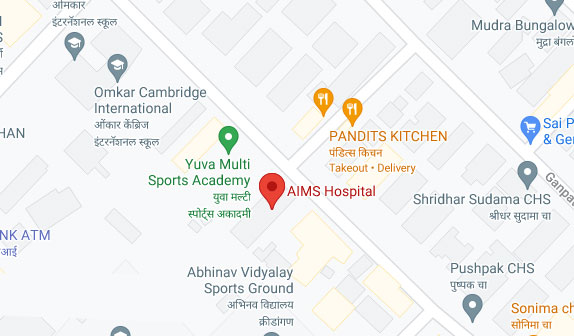
Scan/Click For Location



Designed by Web Creations 2022. All rights reserved.
Leave a Comment