

DATE : 10/08/2026
AUTHOR :
Get Instant Call Back
Table of Contents
Introduction
Every monsoon season brings a rise in mosquito-borne illnesses across India, with dengue, chikungunya, and malaria being among the most common infections. Since all three diseases begin with symptoms such as fever, headache, and body pain, many people assume they are the same. However, each illness is caused by a different organism, spreads through different mosquitoes, and requires a different treatment approach. Delaying medical care or self-medicating can increase the risk of complications. Understanding the differences between these infections helps patients seek timely diagnosis and appropriate treatment. At AIMS Hospital Dombivli, Dr. Sandeep Kadian, General Physician, Chest Physician & Intensivist, provides expert evaluation and evidence-based treatment for patients suffering from seasonal and mosquito-borne diseases.
What Are Dengue, Chikungunya, and Malaria?
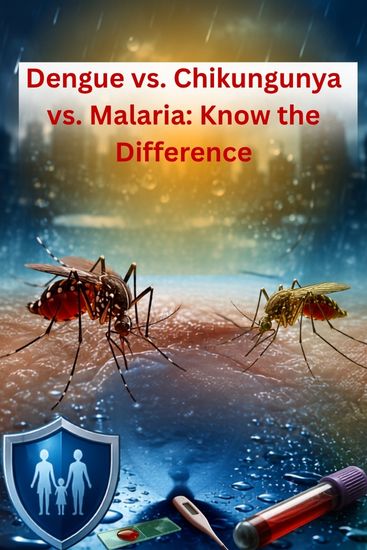
Although dengue, chikungunya, and malaria are all transmitted through mosquito bites, they are not the same disease. Dengue is caused by the dengue virus and spreads through the bite of an infected Aedes mosquito, which is most active during the daytime. In some patients, dengue may lead to a dangerous drop in platelet count and severe bleeding if left untreated. Chikungunya, also spread by the Aedes mosquito, is caused by the chikungunya virus and is best known for causing intense joint pain that may continue for weeks or even months after the fever subsides. Malaria, on the other hand, is caused by Plasmodium parasites and spreads through infected female Anopheles mosquitoes, which generally bite during the evening and night. Unlike dengue and chikungunya, malaria requires specific antimalarial medications and can become life-threatening if treatment is delayed.
Dengue vs. Chikungunya vs. Malaria: Key Differences
While these diseases may appear similar in the early stages, there are several important differences. Dengue usually causes high fever, severe muscle pain, headache, pain behind the eyes, and a noticeable drop in platelet count. Chikungunya also presents with high fever but is mainly characterized by severe joint pain and swelling that can persist long after recovery. Malaria typically causes recurring episodes of fever accompanied by chills, excessive sweating, and weakness. The mosquito responsible for dengue and chikungunya bites during the day, whereas the mosquito carrying malaria is active at night. Blood investigations help doctors accurately identify the infection and begin the most appropriate treatment without delay.
Symptoms of Dengue
Dengue symptoms usually develop within four to ten days after a mosquito bite. Most patients experience sudden high fever, severe headache, pain behind the eyes, muscle and joint pain, nausea, vomiting, and extreme weakness. Some patients may also develop a red skin rash and a significant reduction in platelet count. In severe cases, dengue can lead to bleeding from the gums or nose, abdominal pain, persistent vomiting, breathing difficulty, or shock. Immediate medical attention is essential if these warning signs appear, as severe dengue can become life-threatening without timely treatment.
Symptoms of Chikungunya
Chikungunya generally begins with a sudden high fever followed by severe pain in multiple joints. Many patients also experience swelling of the joints, muscle aches, headache, fatigue, and skin rashes. Unlike dengue, platelet counts usually remain normal, but the joint pain may continue for several weeks or even months, making routine activities difficult. Early diagnosis and supportive treatment help relieve symptoms and improve recovery.
Symptoms of Malaria
Malaria symptoms usually appear ten to fifteen days after the bite of an infected mosquito. The disease is commonly associated with repeated episodes of high fever, chills, excessive sweating, headache, body pain, nausea, vomiting, and weakness. Some patients may develop anemia or jaundice if the infection becomes severe. Since malaria can rapidly affect vital organs, early diagnosis and prompt treatment with antimalarial medicines are crucial for preventing serious complications.
Diagnosis
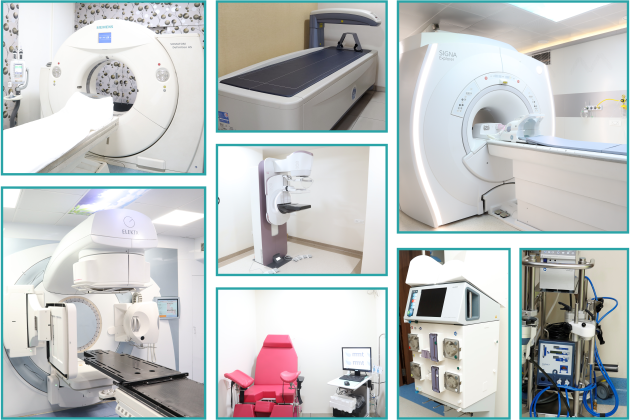
Because the symptoms of dengue, chikungunya, and malaria often overlap, laboratory investigations play a vital role in confirming the diagnosis. Doctors may recommend a Complete Blood Count (CBC), platelet count, Dengue NS1 Antigen Test, Dengue IgM and IgG antibodies, Chikungunya antibody test, peripheral blood smear, and rapid malaria antigen test. Depending on the patient's condition, liver and kidney function tests may also be advised. At AIMS Hospital Dombivli, advanced diagnostic facilities enable quick and accurate identification of mosquito-borne infections, allowing treatment to begin without unnecessary delay.
Treatment
Treatment varies according to the diagnosed illness. Dengue treatment mainly focuses on maintaining hydration, controlling fever, monitoring platelet counts, and managing complications when necessary. Chikungunya treatment includes adequate rest, fluid intake, and medications to reduce fever and joint pain, while physiotherapy may be recommended for patients with prolonged joint discomfort. Malaria requires specific antimalarial medicines that eliminate the parasite from the body, and severe cases may need hospitalization for close monitoring. Patients should avoid self-medication, especially painkillers like aspirin or ibuprofen, unless prescribed by a doctor.
Prevention
Preventing mosquito bites remains the most effective way to reduce the risk of dengue, chikungunya, and malaria. People should eliminate stagnant water around their homes, cover water storage containers, wear full-sleeved clothing, use mosquito repellents, install window screens, and sleep under mosquito nets when necessary. Maintaining good hygiene and keeping surroundings clean also help reduce mosquito breeding. Taking these preventive measures during the monsoon season can significantly lower the chances of infection.
When Should You Visit a Doctor?
Anyone experiencing high fever lasting more than two days, severe body pain, persistent vomiting, chills, skin rash, unusual bleeding, breathing difficulty, or extreme weakness should seek medical attention immediately. Early diagnosis not only speeds up recovery but also reduces the risk of serious complications associated with mosquito-borne illnesses.
Why Choose AIMS Hospital Dombivli?
AIMS Hospital Dombivli offers comprehensive care for dengue, chikungunya, malaria, and other infectious diseases. Under the guidance of Dr. Sandeep Kadian, General Physician, Chest Physician & Intensivist, patients receive accurate diagnosis, personalized treatment, advanced laboratory support, emergency care, and continuous monitoring whenever required. Our experienced medical team is committed to providing timely, compassionate, and evidence-based healthcare for every patient.
Frequently Asked Questions (FAQs)
1. Which disease is more dangerous: dengue, chikungunya, or malaria?
All three diseases can become serious if treatment is delayed. Early diagnosis is essential to prevent complications.
2. Can dengue and chikungunya occur together?
Yes. Since both are spread by the Aedes mosquito, co-infection is possible.
3. How is malaria different from dengue?
Malaria is caused by parasites and typically presents with fever, chills, and sweating, while dengue is a viral infection that often causes low platelet counts and severe body pain.
4. Can mosquito-borne diseases be prevented?
Yes. Preventing mosquito bites and eliminating stagnant water are the most effective preventive measures.
5. When should I seek emergency medical care?
Seek immediate medical attention if you experience persistent high fever, bleeding, severe abdominal pain, breathing difficulty, or extreme weakness.
Conclusion
Although dengue, chikungunya, and malaria share similar early symptoms, they differ in their causes, complications, diagnosis, and treatment. Recognizing these differences and consulting a qualified physician at the earliest sign of illness can help prevent severe health complications. If you or a loved one develops persistent fever during the monsoon season, consult Dr. Sandeep Kadian, General Physician, Chest Physician & Intensivist, at AIMS Hospital Dombivli, for expert diagnosis and comprehensive treatment. Early medical care can make a significant difference in ensuring a safe and speedy recovery.
ABOUT US
About AIMSDirector's Message
Vision & Mission
Accreditations
Awards & Accolades
Our Network
Phone Directory
Scan/Click For Location



Designed by Web Creations 2022. All rights reserved.
Leave a Comment