

DATE : 10/11/2025
AUTHOR : AIMS Hospital
Get Instant Call Back
Table of Contents
- What is Hemoglobin
- Understanding Anemia
- Causes of Low Hemoglobin
- Symptoms of Low Hemoglobin
- How to Treat and Prevent Low Hemoglobin
- When to See a Doctor
- FAQ
- Conclusion
What is Hemoglobin?
Hemoglobin is a crucial protein found in red blood cells. Its main job is to carry oxygen from the lungs to all parts of the body and return carbon dioxide back to the lungs. It contains iron, which gives blood its red color. Healthy hemoglobin levels are essential for maintaining energy, immunity, and overall well-being.
Understanding Anemia
Anemia occurs when hemoglobin levels drop below normal. As a result, the body does not get enough oxygen, which can lead to fatigue, weakness, and various health problems.
Anemia is more common in:
- Women
- Children
- Older adults
Causes of Low Hemoglobin
Iron Deficiency: Caused by poor diet, blood loss, or problems with iron absorption.
Vitamin Deficiency: Lack of Vitamin B12 and Folic Acid can reduce red blood cell production.
Blood Loss: Heavy menstrual bleeding, stomach ulcers, piles, injuries, or internal bleeding can lower hemoglobin.
Chronic Diseases: Kidney disease, cancer, thyroid disorders, and other long-term illnesses may affect red blood cell production.
Bone Marrow Disorders: Certain conditions interfere with the bone marrow’s ability to produce healthy red blood cells.
Symptoms of Low Hemoglobin
- Persistent fatigue and weakness
- Pale or yellowish skin
- Shortness of breath
- Dizziness and headaches
- Rapid or irregular heartbeat
- Cold hands and feet
How to Treat and Prevent Low Hemoglobin
Iron-Rich Foods
- Spinach
- Lentils
- Red meat
- Beetroot
- Dates
Vitamin C
Helps with iron absorption. Sources include:
- Oranges
- Tomatoes
- Guava
Folic Acid
- Bananas
- Peanuts
- Leafy vegetables
Vitamin B12
- Eggs
- Fish
- Milk and dairy products
Medical Treatment
Doctors may prescribe iron supplements, Vitamin B12 injections, or folic acid tablets. Severe cases may require advanced treatment.
Healthy Habits
- Adequate sleep
- Proper hydration
- Moderate exercise
When to See a Doctor
Seek medical attention if you experience:
- Ongoing fatigue
- Frequent dizziness
- Shortness of breath
- Chest discomfort
- Noticeable paleness
Early diagnosis helps prevent complications like heart problems or organ damage.
FAQ
1. What is the fastest way to increase hemoglobin?
Eating iron-rich foods along with Vitamin C and taking doctor-recommended supplements can improve hemoglobin efficiently.
2. How frequently should a hemoglobin test be performed?
Healthy individuals can test once a year. Those with anemia or chronic illness may need more frequent testing.
3. Is hair loss a result of low hemoglobin?
Yes. Iron deficiency can reduce oxygen supply to hair follicles, which may lead to hair thinning or hair loss.
4. Is low hemoglobin dangerous?
If untreated, severe anemia can cause heart problems, organ damage, and reduced daily functioning.
5. Can children have low hemoglobin?
Yes. Children are at risk due to poor diet or rapid growth. Regular checkups and iron-rich foods help prevent anemia.
Conclusion
Anemia and low hemoglobin levels can affect immunity, energy levels, and overall health. A balanced diet, healthy lifestyle habits, and timely medical care are essential to restore and maintain proper hemoglobin levels.
For expert guidance, skilled medical professionals at AIMS Hospital Dombivli, including Dr. Kavitha Nathan (Nutritionist/Dietitian), provide personalized consultation, diagnostic testing, and effective treatment plans.
ABOUT US
About AIMSDirector's Message
Vision & Mission
Accreditations
Awards & Accolades
Our Network
Phone Directory
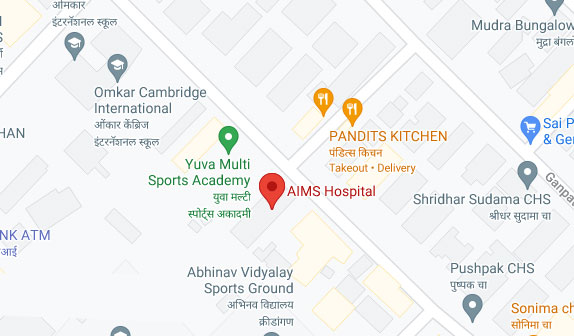
Scan/Click For Location



Designed by Web Creations 2022. All rights reserved.
Leave a Comment